
In this case scenario, I demonstrate the venlafaxine prescribing cascade. Mrs. J is a 72-year-old female with depression, chronic pain, and hypertension controlled on lisinopril 20 mg daily. Due to persistent depression and pain symptoms, her venlafaxine XR dose is gradually increased to 300 mg daily.
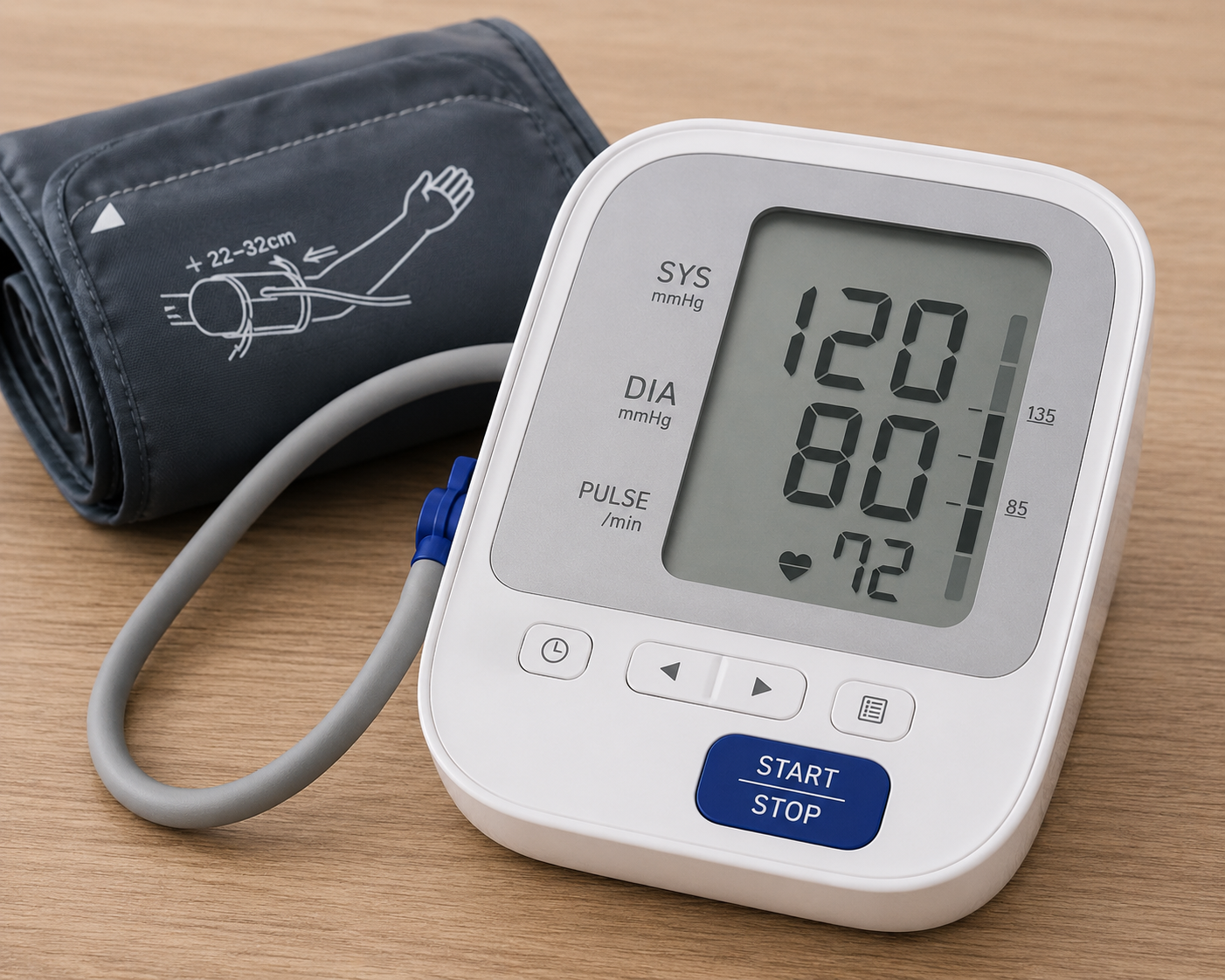
Three months later, her mood and pain have improved, but her blood pressure has increased from 128/76 mmHg to 154/88 mmHg. Rather than recognizing venlafaxine as a potential contributor, hydrochlorothiazide (HCTZ) 25 mg daily is added.
Several weeks later, Mrs. J develops urinary urgency and frequency related to the diuretic effect of HCTZ. These symptoms are diagnosed as overactive bladder, and oxybutynin ER 5 mg daily is prescribed.
At a follow-up visit, she complains of dry mouth, constipation, and worsening memory. A medication review identifies the prescribing cascade:
- Venlafaxine 300 mg → increased blood pressure
- HCTZ added → urinary frequency and urgency
- Oxybutynin added → anticholinergic adverse effects
Before adding medications to treat new symptoms, consider whether the symptoms may be adverse effects of an existing medication. Addressing the original cause may prevent unnecessary prescribing and reduce medication burden. Venlafaxine is well known to contribute to hypertension, especially at dosages above 150 mg per day. Venlafaxine should’ve been switched to another agent, or the dose should have been reduced.
Keep your eyes open to the possibility of the prescribing cascade! Hope you enjoyed this example with venlafaxine.


0 Comments