
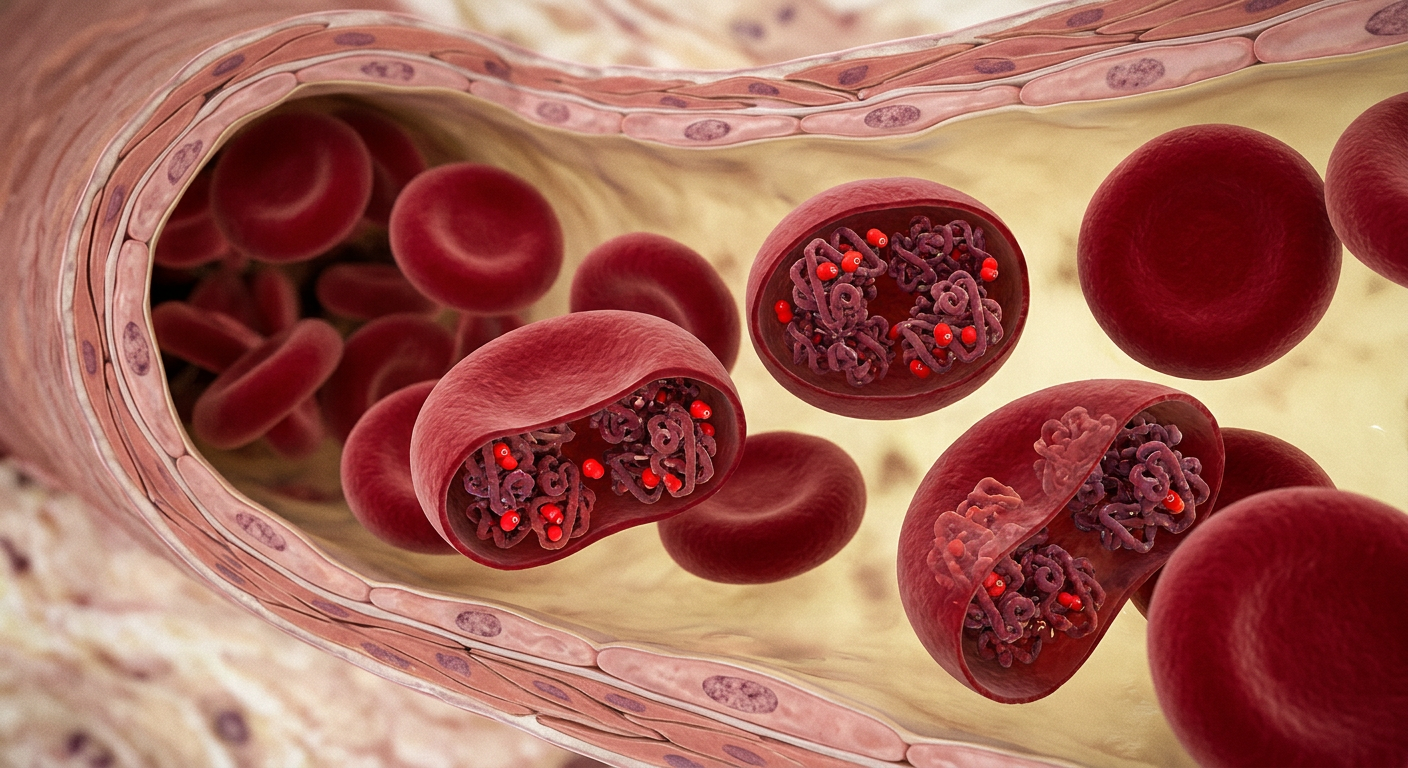
Epoetin alfa (Epogen/Procrit) is a medication pharmacists commonly encounter in long-term care, dialysis, and oncology settings. While its role in stimulating red blood cell production seems straightforward, there are several key clinical pearls that are essential to safe and effective use. I will outline the 3 most important things to know about this medication.
First, it is critical to understand that the goal of therapy is not to normalize hemoglobin. Instead, treatment is typically targeted to maintain hemoglobin around 10–11 g/dL, depending on the patient population and guidelines. This should also help alleviate symptoms of anemia. Pushing hemoglobin levels too high, particularly above 11 g/dL, has been associated with increased risks such as stroke, myocardial infarction, and thromboembolic events. The medication carries a boxed warning for this concern, and it is a highly testable nugget for board exams.
Iron replacement is so important. Many patients, especially those with chronic kidney disease or chronic inflammation, have iron deficiency. Without adequate iron stores, the medication will not produce the desired response. Ferritin and transferrin saturation (TSAT) should be monitored. If a patient is not responding to epoetin therapy, the first thing you should review is iron stores.
Lastly, epoetin alfa can increase blood pressure or worsen existing hypertension. This effect is more likely to occur early in therapy or when hemoglobin rises rapidly. While the exact mechanism is not fully understood, it is thought to be related to increased red blood cell mass and vascular changes. Blood pressure should be monitored closely, and if hypertension becomes difficult to manage, therapy should be reassessed. In addition, if you see antihypertensives being added to a patient’s regimen who is also taking epoetin, you should recognize that the patient may be having this adverse effect.
In summary, epoetin alfa is an effective therapy when used appropriately, but it requires careful attention to hemoglobin targets, iron status, blood pressure, and boxed warnings. These teaching points are important to know in practice and for those challenging exams!


0 Comments