
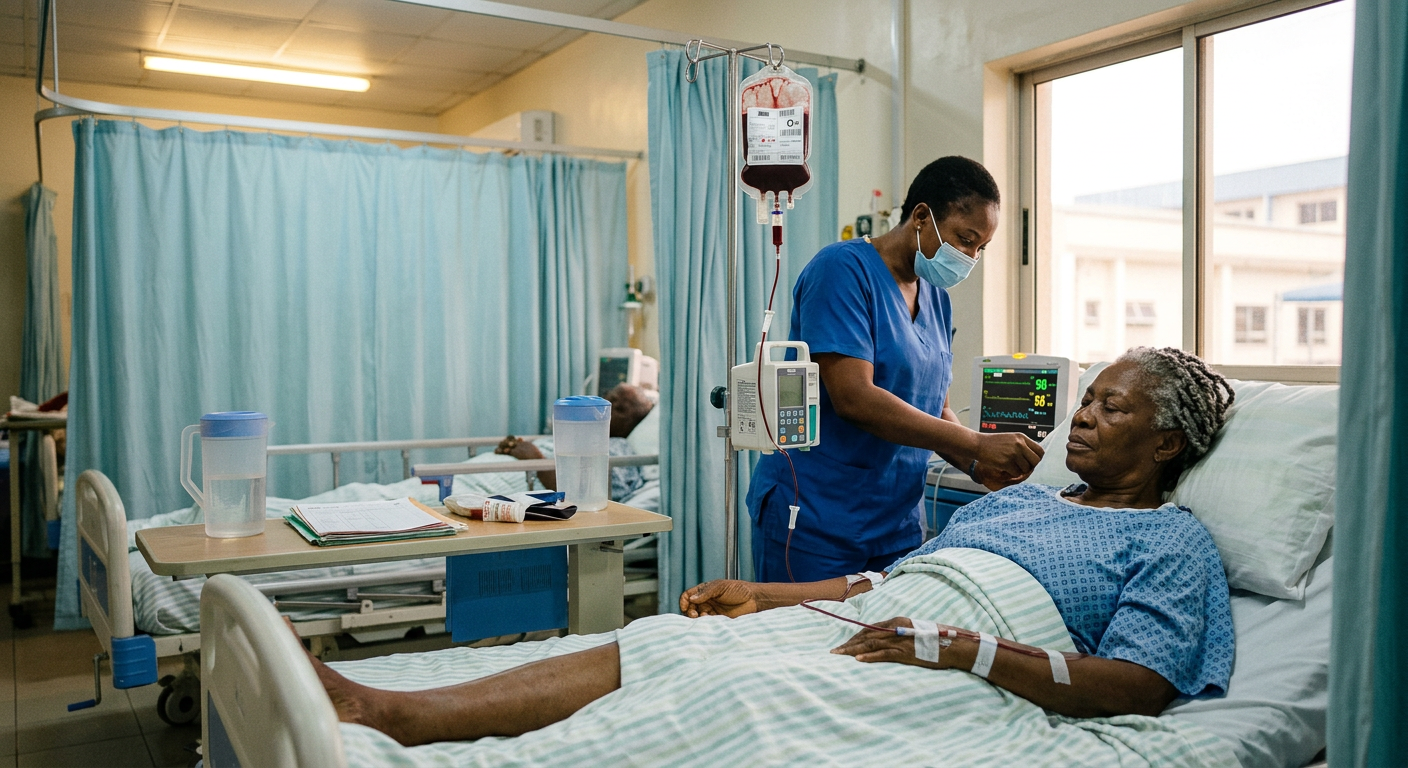
NSAIDs are a notorious cause of GI bleeds. This is something that I am significantly concerned about as a geriatric consultant pharmacist. In this blog post, I share 3 examples of NSAIDs causing GI bleeds that I have seen in practice.
Scenario 1 – Duplicate NSAIDs
A 72-year-old male with osteoarthritis and hypertension was started on Mobic 15 mg daily for chronic knee pain. Two weeks later, he developed worsening back pain after yard work and began taking over-the-counter Ibuprofen 600 mg three times daily without informing his provider. After several days, he experienced fatigue, dizziness, and black, tarry stools. His wife brought him to the emergency department after he nearly fainted while standing. Laboratory testing revealed a hemoglobin of 7.8 g/dL, and stool testing was positive for occult blood. Endoscopy identified a bleeding gastric ulcer. He was hospitalized for intravenous proton pump inhibitor therapy and blood transfusion. During discharge counseling, the patient was educated about the increased gastrointestinal bleeding risk associated with taking multiple NSAIDs together.
Scenario 2 – Ketorolac’s Boxed Warning
A 64-year-old female with chronic low back pain presented to the emergency department with dizziness, weakness, and black stools. One week earlier, she had been prescribed Ketorolac after an urgent care visit and continued taking it four times daily for 10 days because it provided significant pain relief. She denied taking other NSAIDs or anticoagulants. On presentation, her blood pressure was 92/58 mmHg, and laboratory results showed a hemoglobin of 8.1 g/dL, decreased from a baseline of 13 g/dL. Stool testing was positive for occult blood, and upper endoscopy revealed a bleeding gastric ulcer. She required hospitalization. During discharge counseling, the patient was educated that ketorolac should generally not be used for longer than 5 days (excellent board exam nugget) because of the increased risk of serious gastrointestinal bleeding.
Scenario 3 – Anticoagulation NSAID Interaction
A 76-year-old male with atrial fibrillation treated with Eliquis presented to the emergency department with fatigue, lightheadedness, and dark stools. Three days earlier, he began taking over-the-counter Aleve twice daily for worsening shoulder pain after golfing. He did not realize the medication could increase bleeding risk when combined with his anticoagulant. On admission, his blood pressure was 88/54 mmHg, and laboratory testing revealed a hemoglobin of 7.5 g/dL. Stool testing was positive for occult blood, and upper endoscopy identified a bleeding gastric ulcer. He was hospitalized and treated for GI bleed. During discharge counseling, he was advised to avoid NSAIDs while taking apixaban because of the increased risk of serious gastrointestinal bleeding.
I hope you enjoyed this blog post on NSAID and GI bleeds. These scenarios are based off of things I’ve seen in my practice as a clinical pharmacist.


0 Comments