
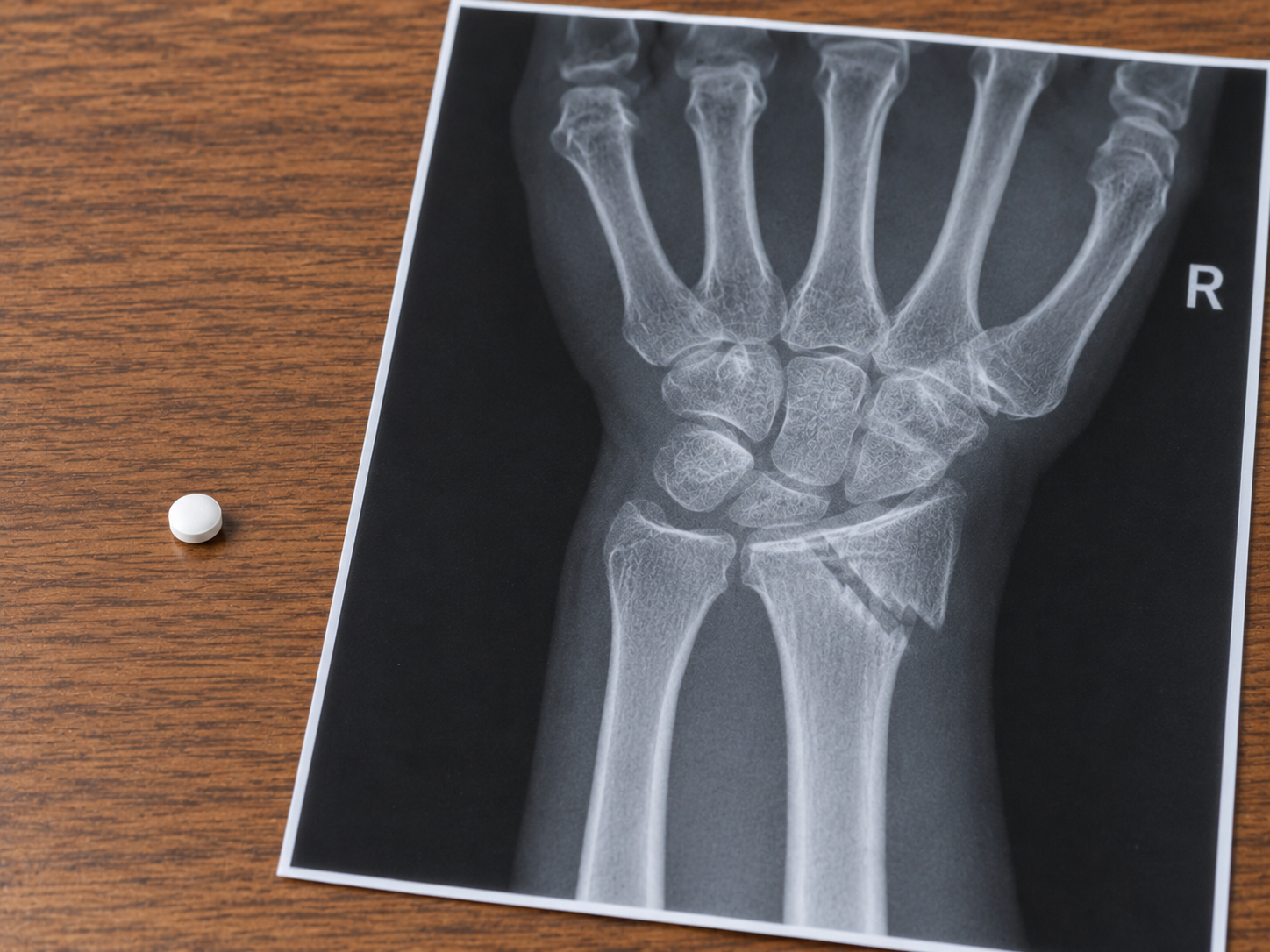
In this case scenario, I outline an important clinical consideration for those taking long-term steroids: osteoporosis risk with corticosteroids. A 68-year-old female with rheumatoid arthritis has been taking prednisone 7.5 mg daily for the past 8 months. She also takes methotrexate and folic acid. She reports that her rheumatoid arthritis symptoms are well controlled, but she expects to remain on prednisone for the foreseeable future. Every time she tries to reduce the dose, the pain becomes unbearable. She has not tolerated other rheumatoid arthritis medications.
Her medical history includes hypertension and GERD. She has no known history of fractures and has never had a bone mineral density (DEXA) scan.
Her current medications include:
- Prednisone 7.5 mg daily
- Methotrexate 15 mg weekly
- Folic acid 1 mg daily
- Omeprazole 20 mg daily
- Lisinopril 10 mg daily
Chronic prednisone use increases the risk of osteoporosis and fragility fractures. Glucocorticoids decrease osteoblast activity, increase bone resorption, reduce intestinal calcium absorption, and increase renal calcium excretion. This patient should be assessed for glucocorticoid-induced osteoporosis (GIOP). Her age, rheumatoid arthritis, and prolonged prednisone exposure increase her fracture risk.
Important Board Exam Pearl: What Prednisone Dose Warrants Osteoporosis Prevention?
The American College of Rheumatology recommends fracture risk assessment for adults receiving glucocorticoids at a prednisone dose equivalent of ≥ 2.5 mg/day. To meet the threshold, the dose should be taken for over 3 months.
This is the threshold for assessment, not an automatic indication for a bisphosphonate. The patient in the case above would certainly qualify for further evaluation. Calcium and vitamin D supplementation should also be assessed. Vitatmin D is recommended as well with a target of 30-50 ng/mL.
If you are looking for more information on corticosteroid adverse effects, be sure to check out this recent podcast episode.


0 Comments