
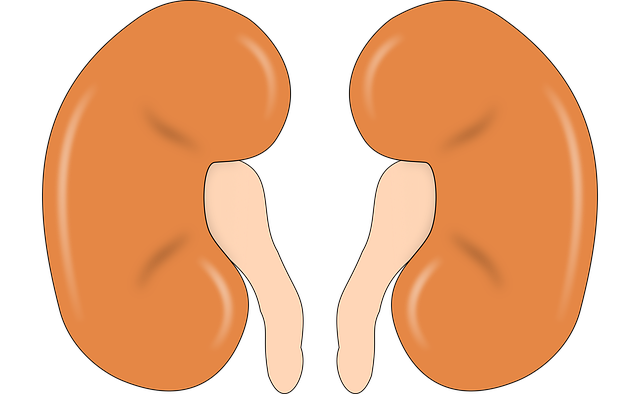
Finerenone (Kerendia) is a relatively newer medication for the management of chronic kidney disease (CKD) in patients with type 2 diabetes and heart failure with preserved ejection fraction. In addition to these indications, there was a recent study that showed benefit in patients without diabetes. While many clinicians are familiar with ACE inhibitors, ARBs, and SGLT2 inhibitors, finerenone offers an additional strategy to reduce kidney disease progression and cardiovascular complications. In this article, I’ll share my top 5 finerenone pearls you should remember about this medication.
Hyperkalemia
Hyperkalemia is one of the most important adverse effects of finerenone. Because mineralocorticoid receptor antagonists reduce potassium excretion, potassium levels should be checked when this medication is started, 2-4 weeks after initiation, with dose adjustments, and periodically throughout long-term treatment.
Gynecomastia? Maybe Not?
Although finerenone belongs to the mineralocorticoid receptor antagonist (MRA) class, it differs significantly from spironolactone and eplerenone. It is considered a nonsteroidal MRA, resulting in greater selectivity for the mineralocorticoid receptor and fewer endocrine adverse effects. Unlike spironolactone, finerenone rarely causes gynecomastia, breast tenderness, or sexual dysfunction because it has minimal interaction with androgen and progesterone receptors. If a patient previously discontinued spironolactone due to endocrine adverse effects, finerenone may still be an appropriate option.
Renal Function Determines Dosing
Starting dose depends on estimated glomerular filtration rate (eGFR).
The general dosing is as follows:
- eGFR ≥60 mL/min/1.73 m²: 20 mg daily
- eGFR 25–59 mL/min/1.73 m²: 10 mg daily
- eGFR below 25 mL/min/1.73 m²: initiation is generally not recommended
CYP3A4 Drug Interactions
Finerenone is metabolized primarily through CYP3A4. Whenever adding or removing a strong CYP3A4 medication, reassess whether finerenone remains appropriate. Strong CYP3A4 inhibitors can dramatically increase finerenone concentrations.
Examples include:
- Ketoconazole
- Itraconazole
- Clarithromycin
- Ritonavir
Strong CYP3A4 inducers may reduce efficacy. Examples include:
- Rifampin
- Carbamazepine
- Phenytoin
- St. John’s wort
Drug Interactions – Hyperkalemia
In a patient taking an ACE Inhibitor or ARB, most clinicians will understand the importance of checking potassium levels. These can have an additive effect on hyperkalemia. Other medications can cause hyperkalemia. One antibiotic to remember is trimethoprim (excellent board exam nugget). Trimethoprim acts similarly to the potassium-sparing diuretic amiloride by reducing potassium secretion in the distal nephron. Hyperkalemia can develop within several days of starting therapy. In addition to trimethoprim having additive hyperkalemia effects, other medications such as calcineurin inhibitors (tacrolimus and cyclosporin) can contribute to hyperkalemia.
That wraps up my most important finerenone pearls!


0 Comments