
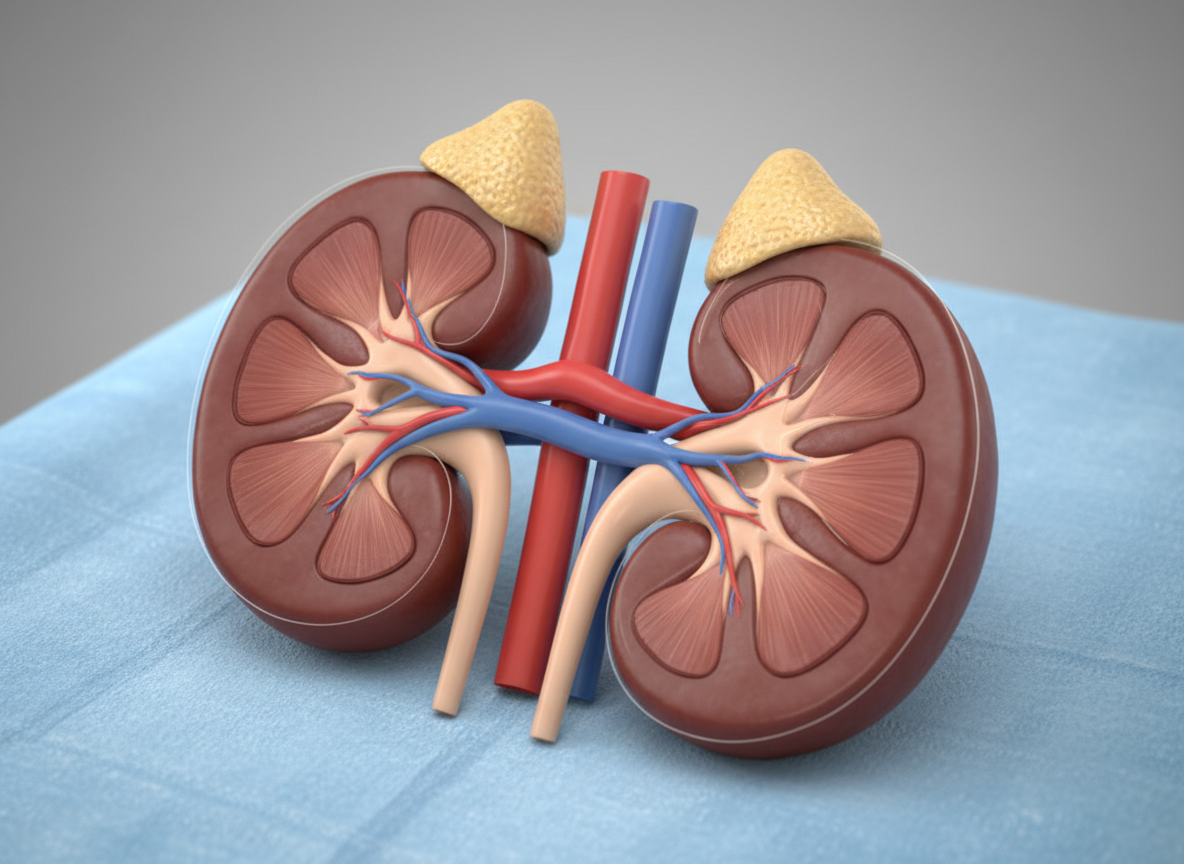
Rhabdomyolysis happens when muscle cells break down and release their contents into the blood. These substances can damage the kidneys and cause serious problems like kidney failure. It is often triggered by medications, injuries, extreme exercise, or drug interactions and needs quick treatment. I will outline 3 important things pharmacists should remember about rhabdomyolysis.
Medications That Cause Rhabdomyolysis
Medications are a possible cause of rhabdomyolysis. Statins are the most common medication-related cause, with higher risk from high doses and interacting drugs such as clarithromycin, erythromycin, azole antifungals, cyclosporine, and gemfibrozil. Lipophilic statins like simvastatin, atorvastatin, and lovastatin are higher risk compared to hydrophilic statins such as pravastatin and rosuvastatin. Also, keep in mind that the aggressiveness of the dose matters as well. These are very important things to remember in practice and for those taking board exams.
Signs and Symptoms
Pharmacists should recognize the classic presentation and lab findings early. Muscle pain, tenderness, weakness, and dark or tea-colored urine are classic, but may not all be present. Creatine kinase is the key lab, often greater than 5,000 to 10,000 units/L. Myoglobin release can lead to acute kidney injury, which is the most serious complication. As myoglobin builds up and blood flow to the kidneys drops, the kidneys cannot filter waste and fluids properly. This leads to acute kidney failure, which is why rhabdomyolysis is a medical emergency and why quick treatment with IV fluids is so important. Associated lab abnormalities include elevated serum creatinine, hyperkalemia, hyperphosphatemia, and early hypocalcemia. Early recognition prevents progression to renal failure.
Statin Rechallenge After Rhabdomyolysis?
Myopathy alone suggests statin intolerance and usually invites a cautious retry. This is something we often do in practice. Rhabdomyolysis is a different case. It signals severe toxicity and usually means permanent avoidance of that statin, often all statins, unless a compelling benefit clearly outweighs the risk and close monitoring is possible.
- 30 medication mistakes PDF
- 18+ Page Drug Interaction PDF
- 10 Commandments of Polypharmacy Webinar based on my experiences in clinical practice


0 Comments