
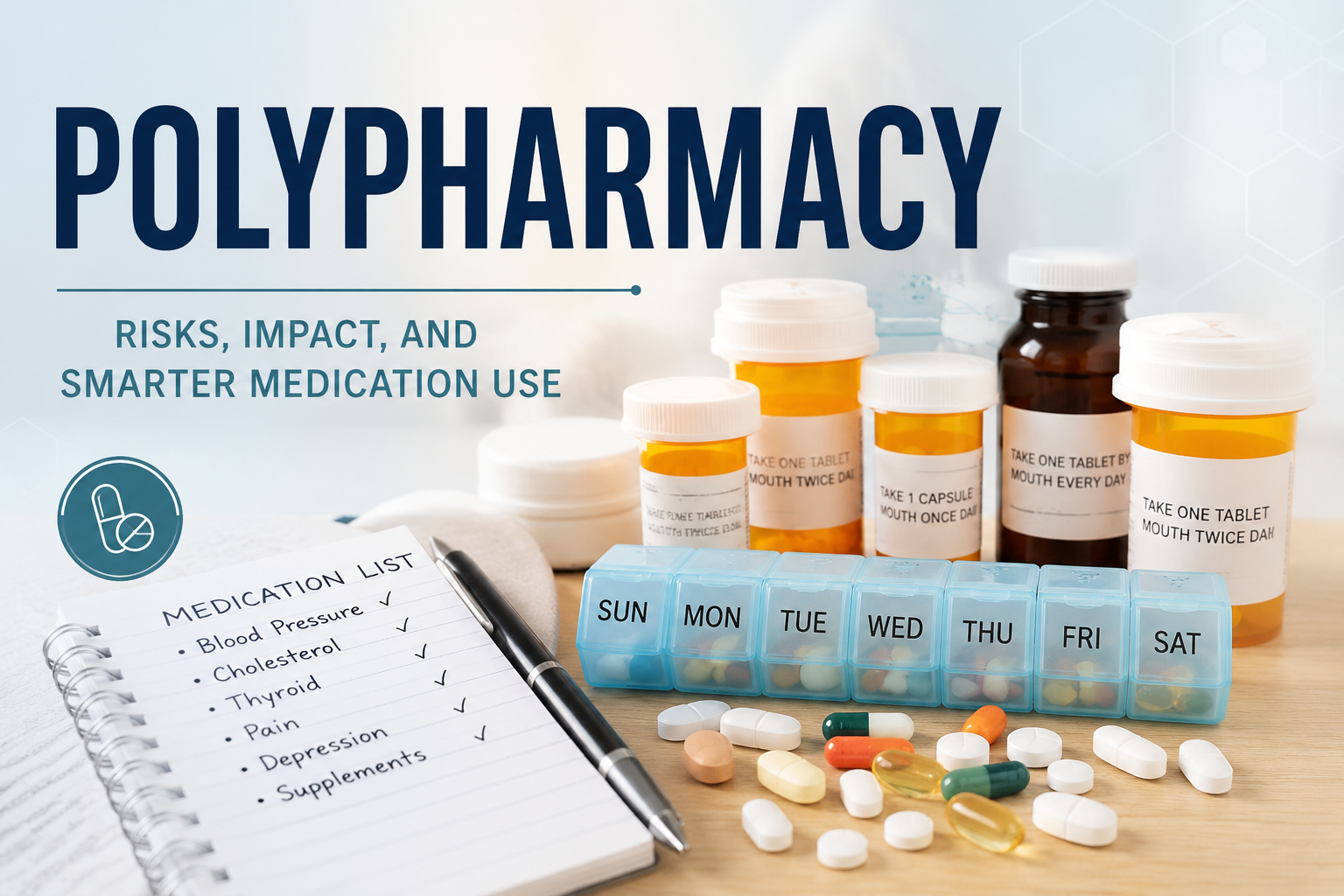
In my practice as a geriatric consultant pharmacist, reducing medications is always a top priority. Here’s a med list from a recent patient for whom I had numerous polypharmacy targets.
- Potassium chloride 20 mEq PO daily
- Omeprazole 20 mg PO twice daily
- Acetaminophen 650 mg PO twice daily
- Tramadol 50 mg PO twice daily
- Lisinopril 10 mg PO daily
- Atorvastatin 20 mg PO nightly
- Sertraline 50 mg PO daily
- Levothyroxine 75 mcg PO daily
- Calcium carbonate 500 mg PO twice daily
- Vitamin B12 1,000 mcg PO daily
Diagnoses: Hypertension, hyperlipidemia, gastroesophageal reflux disease (GERD), chronic pain, depression, hypothyroidism, and potassium deficiency.
In this case scenario, the first thing I notice is the potassium supplement without a corresponding diuretic. I’ve seen hundreds, maybe thousands of cases where a diuretic is utilized to treat edema for a short period of time. Eventually, the diuretic is discontinued but the potassium supplement that was prescribed with the diuretic stays on board because the potassium level is in the normal range. I’d want more background in this situation, but getting rid of the potassium is likely a possibility.
Having acetaminophen and tramadol on a scheduled basis could be another target for reducing polypharmacy. If pain is well managed, I would ideally like to start tapering off tramadol. This would help reduce the risk for opioid adverse drug reactions and future drug interactions.
The omeprazole order may also be another polypharmacy target. The only diagnosis listed is GERD, so if symptoms are under control, a reduction to once daily seems appropriate. In addition to the omeprazole, I would guess the calcium carbonate is being used for GERD. It could be a supplement as well, but it would be worthwhile to assess whether this could be reduced. Lastly, I would also remind you that omeprazole may contribute to vitamin B12 deficiency (excellent board exam nugget). So if we could reduce or get rid of the omeprazole, we may be able to avoid the use of vitamin B12.


0 Comments