
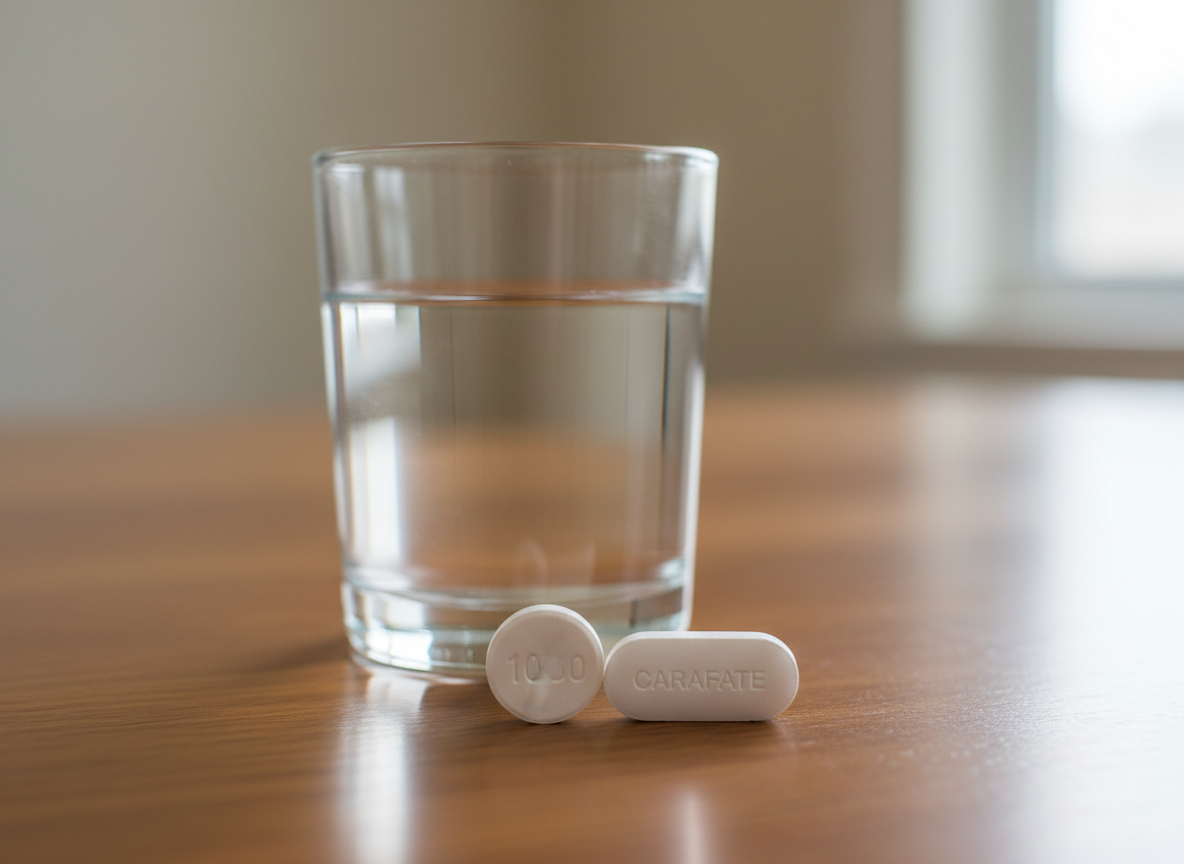
In this case scenario, a patient is prescribed Carafate (sucralfate) for GI concerns, and it leads to a case of hypothyroidism due to the Carafate Synthroid drug interaction.
Robert H. is a 62-year-old male with a history of primary hypothyroidism that has been well controlled for several years, along with gastroesophageal reflux disease, prior peptic ulcer disease, type 2 diabetes mellitus, hyperlipidemia, and hypertension. He has no known drug allergies. His hypothyroidism had been stable on levothyroxine (Synthroid) 100 mcg daily, with a thyroid-stimulating hormone (TSH) level of 2.1 mIU/L measured three months prior to presentation.
Following an upper endoscopy that revealed gastric erosions, sucralfate (Carafate) 1 g four times daily was initiated. The patient was instructed to take sucralfate before meals and at bedtime, and in an effort to simplify his regimen, he began taking his morning dose of sucralfate at the same time as his levothyroxine.
Over the next four weeks, Robert developed increasing fatigue, cold intolerance, constipation, dry skin, weight gain of six pounds, and cognitive slowing. On follow-up, his blood pressure was 138/86 mmHg, heart rate was 58 beats per minute, and repeat laboratory testing revealed an elevated TSH of 8.9 mIU/L with a low-normal free T4.
These findings were consistent with reduced levothyroxine absorption due to a drug–drug interaction with sucralfate, which binds thyroid hormone in the gastrointestinal tract and decreases its bioavailability (excellent board exam nugget). The patient’s hypothyroid symptoms were attributed to improper medication timing rather than inadequate dosing, highlighting the importance of separating levothyroxine from binding agents such as sucralfate by at least four hours and reinforcing proper administration on an empty stomach.
In clinical practice, whenever you see dosages of levothyroxine increase after being stable for many years, recognize that a binding drug interaction may be contributing to a lack of absorption.


0 Comments