by Eric Christianson | Sep 27, 2020 | Cardiovascular Case Studies, Educational Case Studies For Pharmacists
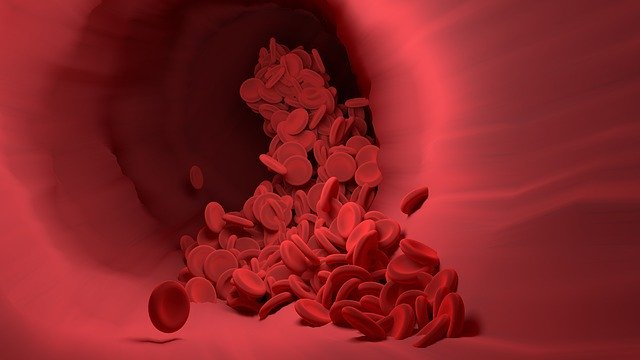
In this scenario, I review how medications can increase the blood clot risk. A 66 year old female is taking the following medications. Aspirin 81 mg dailyLamotrigine 100 mg BIDApixaban 5 mg BIDAcetaminophen 500 mg BIDPantoprazole 40 mg dailyBaclofen 10 mg...
by Eric Christianson | Sep 23, 2020 | Educational Case Studies For Pharmacists
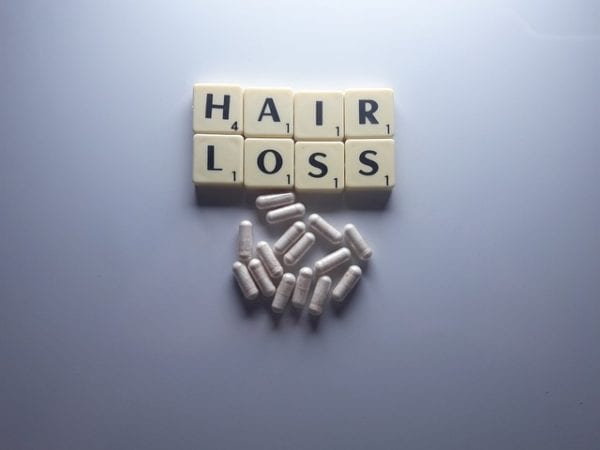
A 69-year-old female is concerned with hair loss. She states that she does not have a family history of this issue and believes that her medications might be to blame. Her primary provider does not feel as if the hair loss is due to a medical issue (i.e....
by Eric Christianson | Sep 20, 2020 | Drug Interaction Case Studies and Education For Pharmacists
The omeprazole escitalopram interaction is a relatively common one in clinical practice. Below, I outline a case scenario where this interaction may have caused some adverse effects from escitalopram. An 81-year-old female has a history of depression, GERD,...
by Eric Christianson | Sep 16, 2020 | Endocrine Medication and Disease State Clinical Pearls, Medication and Disease State Clinical Pearls For Pharmacists
GLP-1 agonists are an effective medication in treating type 2 diabetes mellitus. GLP-1 agonists are a synthetic version of the body’s naturally occurring GLP-1. However, synthetic GLP-1 has the advantage of being resistant to DPP4 degradation. GLP-1 agonists have...
by Eric Christianson | Sep 13, 2020 | Drug Interaction Case Studies and Education For Pharmacists
PPIs are well known for their ability to block the release of hydrogen ions into the gut. Because of this, the use of PPIs can lead to a basic environment in the stomach. This is synonymous to have an elevated pH in the stomach. Some oral medications can be...