by Eric Christianson | Feb 25, 2024 | Neurology, Pain, and Musculoskeletal Medication and Disease State Clinical Pearls
I’m currently working on finishing up a big-time project for the NAPLEX exam. It is a crossword puzzle book that will help prepare you for the NAPLEX. I’m providing a free osteoporosis crossword puzzle as a sample of what this book will be like. There will...
by Eric Christianson | Feb 21, 2024 | Neurology, Pain, and Musculoskeletal Medication and Disease State Clinical Pearls
I have been caught in situations with caregivers and patients numerous times regarding Parkinson’s medication management. Patients can be VERY particular about getting their Parkinson’s medication on time. This is understandable if you acknowledge what...
by Eric Christianson | Feb 18, 2024 | Clinical Guideline Updates For Pharmacists, Endocrine Medication and Disease State Clinical Pearls
The 2024 ADA guidelines were released a month or two ago and I wanted to take a little time to digest them before providing my big takeaways. The 2023 guidelines saw a major shift in pharmacotherapy with a strong emphasis on compelling indications and recommended...
by Eric Christianson | Feb 14, 2024 | Endocrine Medication and Disease State Clinical Pearls
When treating hyperglycemia there are two terms that I have seen get confused and often used interchangeably (inappropriately so). Sliding scale and correction factor insulin strategies are NOT the same. These can be tough concepts to differentiate use and know when...
by Eric Christianson | Feb 11, 2024 | Endocrine Medication and Disease State Clinical Pearls
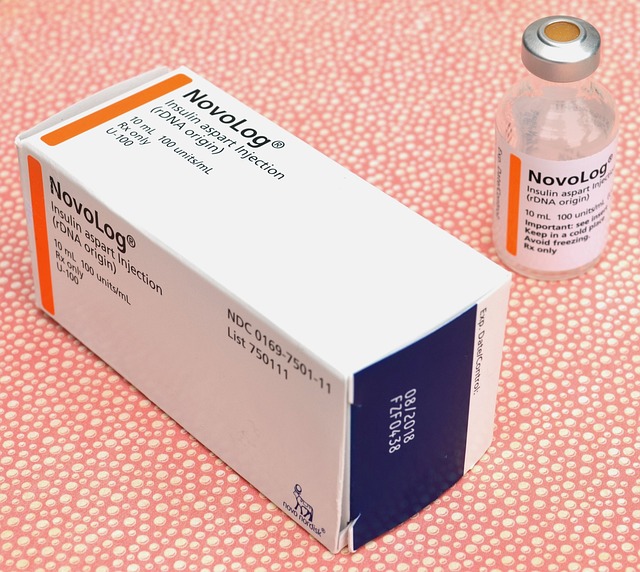
With many insulin formulations on the market, it can be hard to differentiate between similar-acting products and what the best choice may be for our patients. One question raised is what the differences between Novolog versus Fiasp are due to both being insulin...
by Eric Christianson | Feb 7, 2024 | Endocrine Medication and Disease State Clinical Pearls
Diabetic Ketoacidosis (DKA) is traditionally characterized by the triad of hyperglycemia, metabolic acidosis, and ketoacidosis. However, approximately 3% of DKA cases are caused by Euglycemic DKA (EDKA). In the past, this percentage was significantly lower, but the...